
Category: Blog
-
SSBCI as a Blueprint: Building More Adaptive State Economic Development Systems
With nearly $10 billion allocated to states, territories, and Tribal Nations (“states”), the State Small Business Credit Initiative (SSBCI) is a unique federal funding program that fueled the development of innovative loan and venture capital programs. Together, these programs help expand access to capital for entrepreneurs and small businesses through the states as policy and…
-
AI Is Transforming Your EDO Now. Are You Paying Attention to the Risks and Rewards?
Your staff are already using artificial intelligence. Your clients certainly are. So, how are you using this to your advantage? Will benign neglect leave you at risk? Are you leading how it changes your organization and your community? AI has moved from experiment to everyday practice. Staff can readily use available tools to draft reports,…
-
The Digital Backbone: Data Centers, Community Tradeoffs, and Regional Competitiveness
Data centers are the most visible physical form of the AI economy. They are arriving faster than many states and communities can evaluate them. They bring billions in private investment, expand local tax bases, and fund grid, fiber, and water improvements. But they also raise questions about electricity demand, water use, air quality, and whether…
-
Center for Regional Economic Competitiveness Announces New Vice Chair and Board Members
PRESS RELEASE – For Immediate Release Arlington, VA – The Center for Regional Economic Competitiveness (CREC) is pleased to announce the election of Dominique Halaby as Vice Chair and the appointment of Jill Foys and Adrienne Johnston to the CREC Board of Directors. Their terms began on July 1, 2026. Dominique Halaby serves as Associate…
-
Demand-Driven Needs a Demand
What a $151 billion demand signal teaches economic and workforce developers about certainty Economic and workforce developers live by an unforgiving rule: before a region can train anyone, someone must say which jobs, how many, where, and when. The sharpest current test of that rule comes from an unexpected direction, the federal government’s new homeland…
-
Data Centers: What EDO Leaders Should Know
The race to build data centers is reshaping local economies faster than almost any other real estate trend. From 2023 to 2024, data center construction spending increased by 70%, more than triple the rate of any other property type. [i] The sector is drawing billions in venture capital and now consumes up to eight percent…
-
AI Will Not Save the Defense Industrial Base. Here is What Will
Artificial intelligence (AI) is being adopted faster than any technology in modern history. Within two years of widespread availability, 39.4 percent of American adults were using generative AI tools, a pace that outstripped both the personal computer and the Internet at comparable stages (Deming, 2024). Yet the defense industrial base (DIB), the network of manufacturers…
-
A Critical Window for Workforce Intermediaries in Defense Manufacturing
Global events are reshaping the environment in which manufacturers operate, accelerating defense production and increasing pressure across supply chains. Workforce systems must be ready to respond. Demand signals are sharpening.Defense suppliers are preparing for higher production levels, and many will need more technicians, machinists, quality specialists, and production workers. Intermediaries should be working with manufacturers…
-
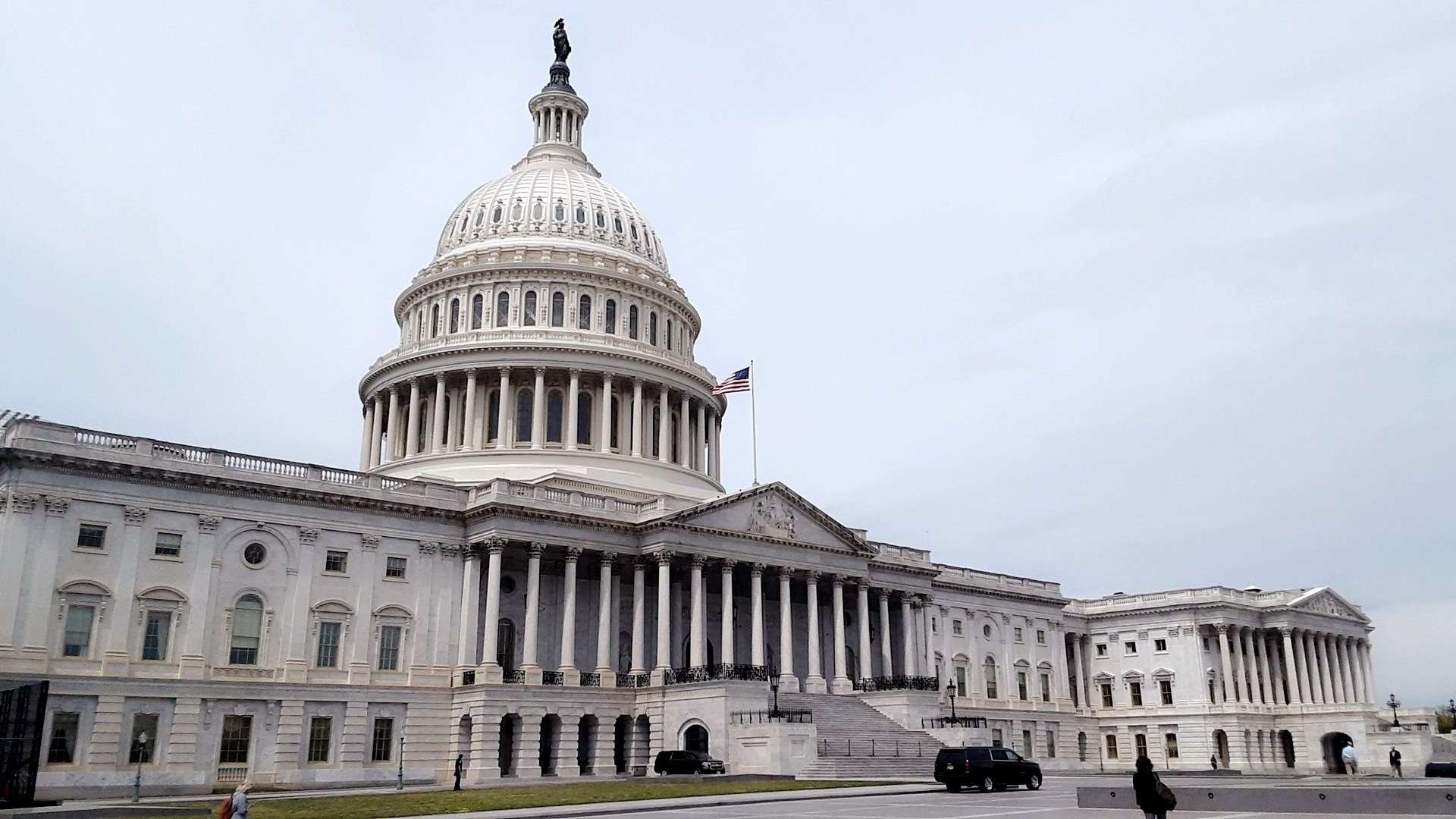
What 2026 Appropriations May Signal for Economic Development
The FY 2026 budget reflects a recalibration for economic development, and it offers useful clues about the future of economic development.
-

Preparing America’s Future Defense Manufacturing Workforce
By strengthening these partnerships and fully leveraging ManTech’s EWD investments, we can ensure that America’s defense manufacturing workforce is ready for what comes next and be well positioned to lead it.